


The Casting of Frank Stone
- RJ Russotti
- Nov 26, 2025
- 6 min read
Updated: Dec 4, 2025
RJ gives The Casting of Frank Stone a 7.4, noting its atmospheric tension and moral dilemmas but uneven emotional impact.

Game Summary
The Casting of Frank Stone tells a compelling story about a group of friends from the 1980s who film a horror movie called Murder Mill, a project that ends up altering the past, present, and future. The narrative unfolds across three timelines: 1963, where Sheriff Sam encounters a young Frank Stone, 1980, which explores the eerie events during the filming, and 2024, where returning and new characters confront the consequences of what happened decades earlier.
At the center of the mystery is Augustine Lieber, whose obsession with Murder Mill drives her belief that she can harness and control the terrifying entity known as Frank Stone. The gameplay focuses on player choices that shape the story, with occasional skill checks that add tension and unpredictability. Fans of Dead by Daylight will appreciate the many references scattered throughout the experience.
With multiple branching paths and a player-driven narrative, The Casting of Frank Stone invites you to decide how the horror unfolds and who makes it out alive.
Entertainment Rating

The Game's Plot is divided across three timelines: Sam Green’s first encounter with Frank Stone, the filming of Murder Mill, and the exploration of Gerant Manor. This layered structure builds intrigue, while Augustine Lieber’s narration between chapters explains her obsession with Frank Stone and often highlights the significance of previous scenes or actions.
The Storytelling Techniques rely heavily on dialogue and branching choices, with player decisions shaping the direction of the narrative and sometimes determining the fate of characters. In terms of passive action, gameplay is limited mostly to searching for collectibles that reference Dead by Daylight, choosing dialogue options, or uncovering documents that expand the lore. Much of the background surrounding Murder Mill, Frank Stone, and Augustine Lieber can be missed if players skip these documents, which makes engagement with the story optional but crucial for full immersion. The player actions are sparse, consisting mainly of using a camera to fend off entities, completing random skill checks, and interacting with generators that appear sporadically throughout the story. These mechanics often catch players off guard, especially when long dialogue sequences lull them into passivity before a sudden skill check demands attention. While functional, these moments feel more like interruptions than engaging gameplay.
The Character Development feels uneven. While Linda emerges as the central protagonist and the character most players will connect with, others are underdeveloped. Stan, for example, is reduced to a fake fanboy of Murder Mill and Linda, offering little depth. Frank Stone himself appears in an intense showdown with Sam Green during the opening chapter, only to vanish until the final confrontation in Gerant Manor. This limited presence weakens his impact as the central figure, leaving much of the tension to Augustine Lieber’s narration rather than direct interaction.
The Immersion is strong thanks to beautifully designed maps, atmospheric tension, and numerous Dead by Daylight references that fans will appreciate. Choices carry meaningful weight, shaping the story’s direction and outcomes. However, immersion occasionally breaks when major scenes are interrupted by sudden one‑second black loading screens, disrupting the flow of otherwise powerful moments.
Overall, The Casting of Frank Stone delivers a layered plot, cinematic storytelling techniques, uneven character development, limited player actions, and atmospheric immersion. While its narrative ambition and lore connections make it engaging, pacing issues, underdeveloped characters, and sparse gameplay prevent it from reaching its full potential. As an entertainment experience, it succeeds in atmosphere and choice‑driven tension but struggles to balance story depth with player engagement.
Graphics Rating
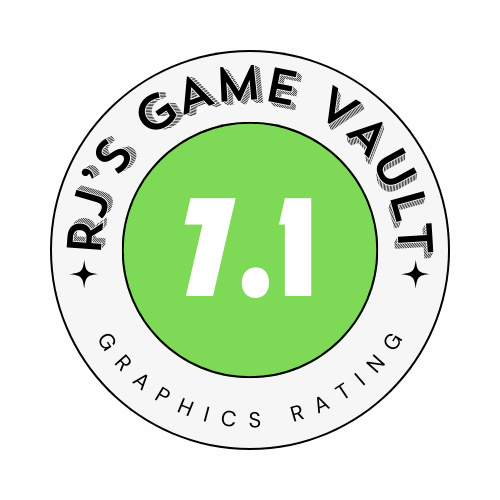
The Visual Quality is detailed and atmospheric, with standout environments like the manor, forest, and mill. Dark shadows and lighting effects enhance the horror tone, creating a strong sense of place. However, character facial reactions occasionally feel off during dialogue, breaking immersion. Aliasing issues with certain hair textures also detract from the otherwise polished presentation.
The Art Style & Design leans into realism with a cinematic edge, perfectly fitting the horror theme. Lighting and shadow play heighten tension, while the muted color palette reinforces dread and nostalgia. The Murder Mill’s visual design stands out as one of the game’s most memorable touches.
The Technical Performance is generally stable, though not flawless. Animations sometimes appear choppy, and movement mechanics can be inconsistent. Crouching and entering areas occasionally caused unintentional, irregular movement, while proximity to stairs sometimes dragged the character up or down unnaturally. Frame rate held steady for most of the experience but dipped during more demanding scenes. The random one‑second black loading screens that appear mid‑scene are particularly disruptive, breaking tension during otherwise powerful moments.
The Casting of Frank Stone delivers striking visual quality and atmospheric environments that elevate its horror tone. Yet technical hiccups, from facial animation quirks to occasional frame drops and immersion‑breaking loading screens, prevent the graphics from fully matching the ambition of the narrative.
Idea Rating

The Core Concept is built on a dual timeline: the 1980 filming of Murder Mill and the ripple effects that surface in 2024. This structure creates tension by showing how a scrappy horror project spirals into something far more sinister. Themes of obsession, legacy, and the way art bleeds into reality give the story weight beyond a typical slasher setup.
The Creative Vision draws from classic horror cinema and the lore of Dead by Daylight. Influences from Stephen King–style storytelling are clear, with small-town settings, generational consequences, and supernatural undertones. The developers aim to blend cinematic horror with interactive choice, exploring how obsession and creativity can become destructive forces. It is a vision that ties neatly into Dead by Daylight’s universe while still standing on its own.
The Unique Elements include a branching narrative structure where player choices meaningfully shape character fates and outcomes. Unlike many horror games that rely on jump scares, this one emphasizes atmosphere, dialogue, and consequence-driven storytelling. The dual timeline approach feels fresh for the genre, and the integration of Dead by Daylight lore adds a layer of meta-horror that fans will appreciate.
Overall, The Casting of Frank Stone stands out for its ambitious core concept, bold creative vision, and distinctive unique elements. By blending cinematic horror with consequential choices, it diverges from genre norms and delivers a memorable experience that feels both familiar and fresh.
Impact Rating

The Emotional Impact is limited. With so many character fates in the player’s hands, you would expect every loss to resonate, but in reality only a few characters truly matter. The cast is small, yet connections feel underdeveloped, making certain deaths less impactful than they should be. Branching choices do create a sense of responsibility, and there are standout moments of unease and stress, particularly in Chapter 1 and Chapter 14, where intense battles with Frank Stone heighten tension and leave a lasting impression.
The Intellectual Impact comes from the dual timeline structure, which adds complexity and depth to the narrative. Reading scattered documents expands the lore, revealing why Frank Stone became who he is and why Augustine Lieber is obsessed with preserving Murder Mill. The game isn’t about puzzles or escape mechanics; instead, it explores moral dilemmas and the consequences of human ambition. This thematic focus encourages reflection and gives the story weight beyond its immediate scares.
Overall, the impact depends largely on how connected players feel to the characters and their fates. While emotional resonance is uneven, the branching choices, layered timelines, and moral themes ensure the story can linger after play. The Casting of Frank Stone may not devastate with every loss, but it succeeds in leaving players with unease, reflection, and a sense of responsibility for the paths they chose.
Playability Rating

The Game Mechanics & Controls are straightforward and easy to pick up, with responsive inputs that make dialogue choices and skill checks feel natural. There is no steep learning curve, and the mechanics are designed to keep players focused on the narrative rather than complex systems. However, some mechanics can be unintuitive at first. For example, when using the camera for the first time, reloading film before it was completely empty prevented a scene from progressing, leaving me stuck without realizing I needed to let the roll run out. Small moments like this can briefly disrupt flow, though overall the controls remain accessible and functional.
The User Interface is clean and functional, with menus and HUD elements presented clearly. Navigating dialogue options, settings, and accessibility features is intuitive, and players can adjust preferences to suit their playstyle. The minimalist design keeps attention on the story, though some may find the lack of deeper customization limiting compared to more mechanically complex titles.
The Game Difficulty is balanced to cater to both casual and narrative-focused players. Skill checks add bursts of tension without being punishing, and branching choices provide stakes without locking progress behind failure. There are occasional spikes in intensity during high-stakes scenes, but overall the difficulty curve is smooth, keeping the experience engaging without any frustration.
Overall, The Casting of Frank Stone offers accessible game mechanics & controls, a clear user interface, and balanced game difficulty that make it easy to enjoy. Its focus on narrative over mechanical complexity ensures that players of all skill levels can immerse themselves in the story without barriers.
Conclusion
The Casting of Frank Stone is a cinematic horror experience that thrives on atmosphere, branching choices, and its eerie connection to Dead by Daylight. Across its ratings, the game shows clear strengths in immersive environments, impactful lore, and moral dilemmas that linger after play. At the same time, uneven character development, sparse gameplay mechanics, and technical hiccups hold it back from greatness. RJ gives The Casting of Frank Stone an overall score of 7.4, recognizing it as a memorable narrative horror that succeeds in tension and storytelling, even if its execution leaves room for refinement.
This was an awesome read!!